Raspberries: Perennial Fruits
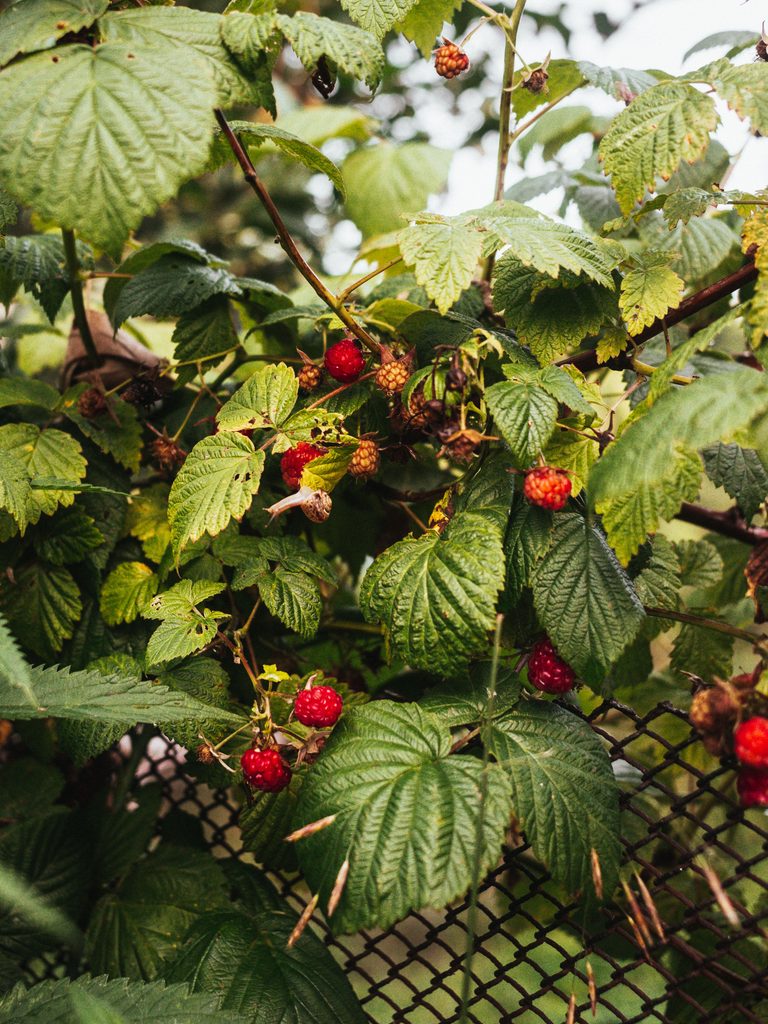
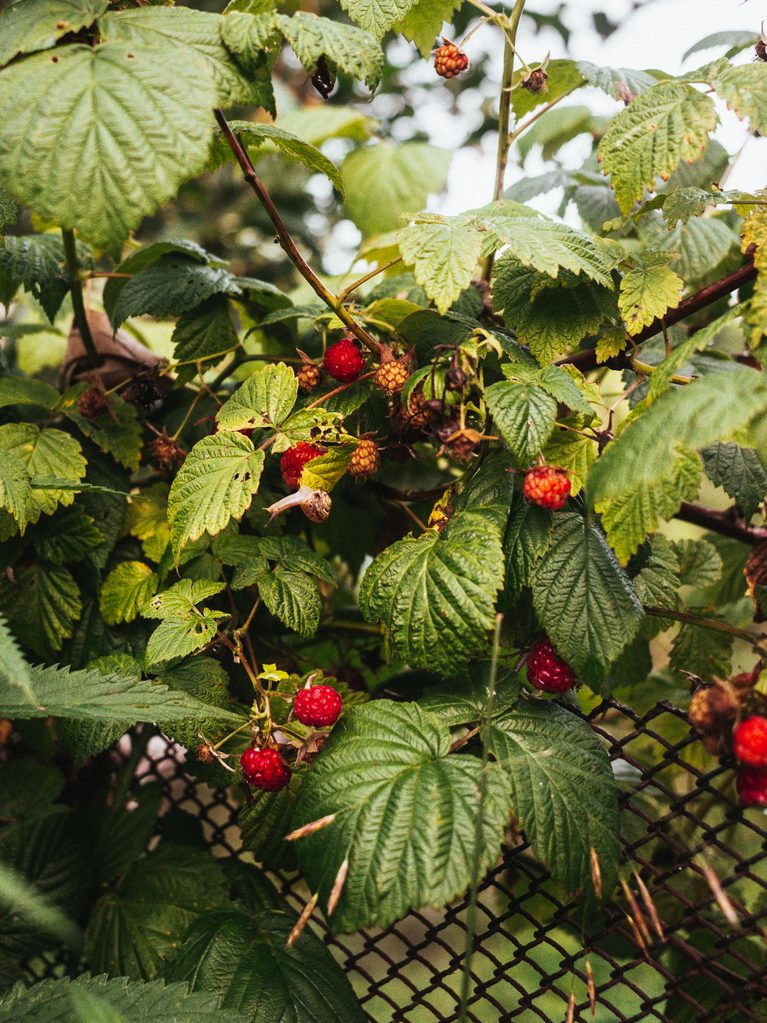
Raspberries are edible fruits produced by perennial woody plants in the genus Rubus, belonging to the rose family. With proper care, these plants can live for 15 to 20+ years. They are aggregate fruits composed of dozens of small, individual fleshy seed units called drupelets clustered around a central core. Low in sugar, they come packed with vitamin C, dietary fiber, and antioxidants.
Propagation
Propagating raspberries from cuttings is a simple, cost-effective way to expand your garden. Take softwood stem cuttings in late spring or hardwood cuttings in late autumn.
- Cut a healthy, non-flowering shoot 4–6 inches long from a raspberry plant, slicing just below a leaf node.
- Remove the bottom leaves and dip the cut tip into rooting hormone powder.
- Plant the cutting into a small container with a well-draining, moist potting mix (such as a 50/50 peat moss and perlite blend).
- Cover loosely with a plastic bag or humidity dome, and place in bright, indirect light.
- Maintain consistent moisture and warmth in the soil. Roots typically develop within 4–6 weeks, after which you can gradually acclimate the plant outdoors before transplanting it into fertile, slightly acidic soil in full sun.
Growth & Care
Raspberry plants thrive as long as they receive adequate sunlight and water. The first year is spent establishing a strong root system and growing initial canes, with fruiting occurring in the second year. Once flowers bloom in spring, it takes roughly 30 to 50 days for the fruit to develop and ripen.
Harvesting
- Summer-bearing: Harvest your main crop in early to mid-summer (June to July).
- Everbearing: Harvest a lighter crop in early summer and a secondary crop from late summer through early autumn (August to October).
Harvest after morning dew dries, but before the midday heat hits. A fully ripe raspberry slips off the central white core (receptacle) with a gentle tug. If you have to pull hard, the berry is not ready.