Growing Celery (Apio): From Seed to Harvest
Celery is a versatile annual vegetable prized for its crisp texture, aromatic flavor, and wide range of culinary, medicinal, and gardening applications. It is rich in vitamin K, which is vital for blood clotting, as well as vitamin A. Whether enjoyed raw, blended into nutritious drinks, or cooked into savory dishes, homegrown celery offers a robust flavor that supermarket varieties simply cannot match.
Growing Celery From Seeds
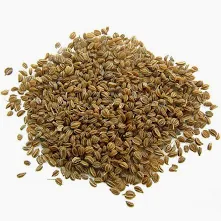
Growing celery from seed requires early preparation and patience. The seeds are tiny and notoriously slow to germinate, often taking 14 to 21 days to sprout. Because of this long growing season, it is best to start your seeds indoors 10 to 12 weeks before your last spring frost.
To accelerate germination, soak the seeds in warm water overnight. When you are ready to plant, prepare your indoor pots with a moist seed-starting mix. Place the soaked seeds directly on top of the soil and press them gently into the surface without covering them; celery seeds require light to break dormancy. Keep the soil consistently moist at all times and maintain a warm ambient temperature between 70°F and 75°F until the sprouts appear.
Container Care and Maturation
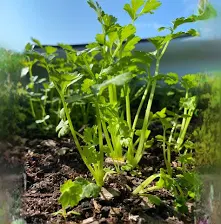
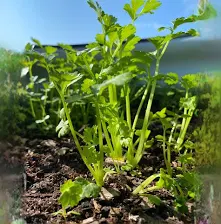
Once the seedlings are strong enough to move outside and the weather has warmed, pick a large container and fill it with nutrient-rich potting soil. Celery thrives with consistent moisture and cool temperatures, so frequent watering is essential. Place the container in a sunny area where the plant will receive 6 to 8 hours of daily sunlight.
It takes about four months for celery to become fully grown. Mature plants typically reach 18 to 24 inches in height, with a spread of about 10 to 12 inches across. If you are growing for a fall harvest, the celery will mature during cool autumn nights. This results in sweeter, crunchier stalks and a lower risk of bolting compared to a spring harvest.
Harvesting Celery
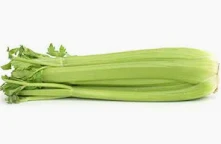
Harvest your celery when the plant forms a thick, tight cluster reaching 12 to 18 inches tall. Be sure to harvest before the peak summer heat or just ahead of the first hard frost, depending on your season.
To harvest the whole head, use a sharp, serrated knife to cut the entire base of the plant at or just below the soil level. Trim away the roots and any damaged outer foliage, rinse off the dirt, and store the fresh head in the refrigerator.