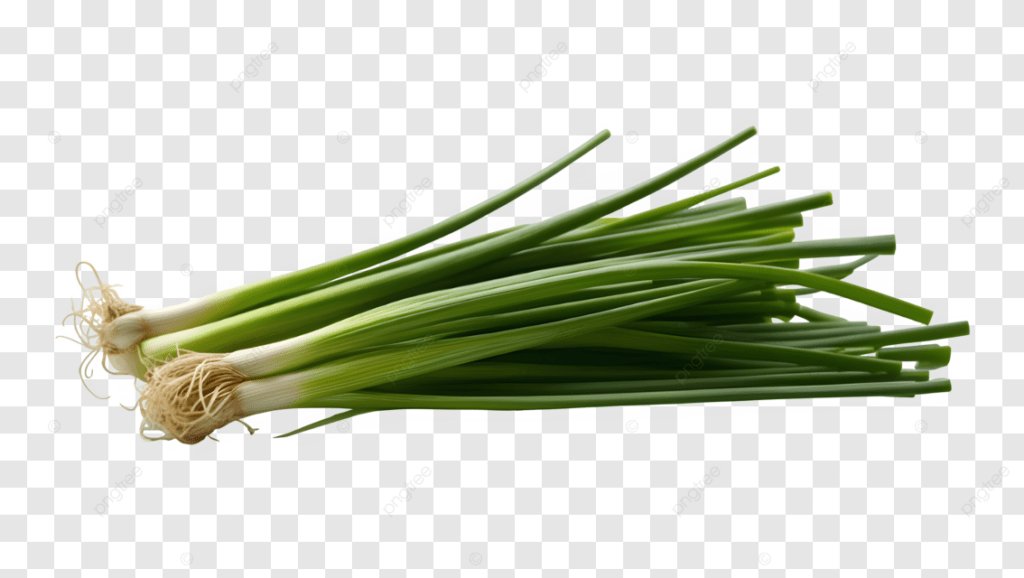
Chives are a classic culinary favorite, famously used as a fresh culinary garnish on top of baked potatoes. They add a mild taste to salads, and are used to add a taste at the end of cooking different dishes.
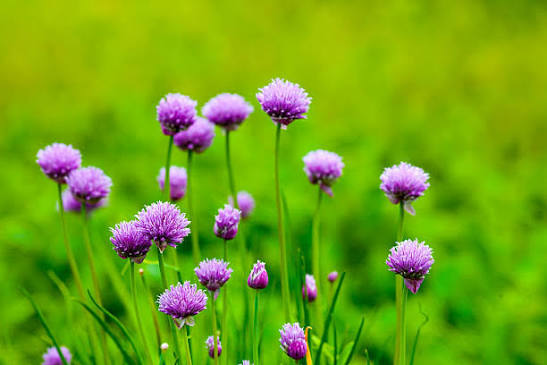
Chives are easy to grow perennial herbs. They have slender hollow, tall green leaves. They produce edible pom-pom shape purple pink blossoms that attract bees and butterflies. They take their first full growing season to mature completely. By the end of their first year, they will establish a robust root system and a thick clump of bulbs. By the second year they will be fully developed.
They will last for a few years. Growing chives from seeds in containers is an easy and rewarding project. Chives do well in different and small spaces.
GROWING CHIVES FROM SEEDS
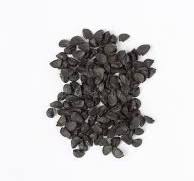
Pick a pot that is at least 6 to 8 inches deep with good drainage holes, and fill it with a lightweight, well-draining organic potting mix. Sow your chive seeds about 1/4-inch deep and cover them with a layer of compost. They require complete darkness to sprout. Keep the soil consistently moist but not soggy, with a temperature around 65 degrees F to 70 degrees F.
Cover the pot loosely with plastic wrap to lock in humidity until they sprout. Place the container in a warm spot that gets at least six hours of bright, direct sunlight daily. Within two weeks, you’ll see tiny, bright green, onion-scented shoots pop up, ready to be snipped and enjoyed.
GROWING CHIVES IN THE GROUND
Chives do better when growing in the ground. Sow chive seeds directly in the ground and cover them lightly with a layer of compost. Chive seeds require darkness to germinate, they need to be fully covered with soil until they sprout. They will grow well into much larger, denser clumps. Because their roots aren’t restricted by a pot, they will naturally spread outward year after year, easily reaching their full 12-to-15-inch height and width.
Chives are exceptionally cold-hardy perennials. In the ground, the surrounding soil insulates their bulbs. They will die back in winter and pop right back up in early spring without you doing a thing. Once established, in-ground chives are incredibly drought-tolerant. Their roots can dig deep to find water, meaning you rarely have to water them unless there is a severe dry spell.
HARVESTING CHIVES
You can begin lightly snipping and harvesting your first fresh chive leaves about 60 days after sowing them. At this stage, the plant is established enough to handle light harvesting, but it is not yet “fully grown” or at its maximum size.
They will grow to their maximum height of 10 to 15 inches tall, spread up to a foot wide, and begin producing their signature purple, edible blossoms every spring (typically May and June). Enjoy them.