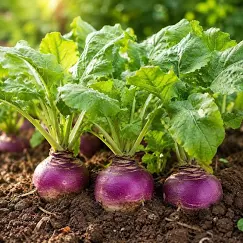
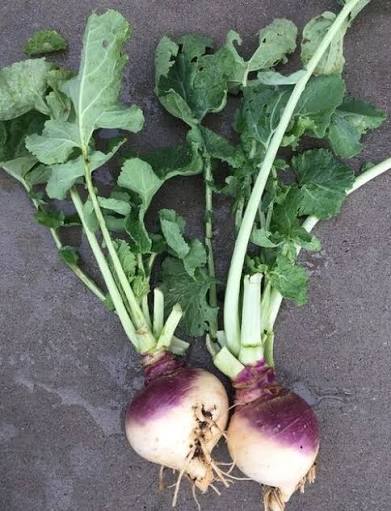
Growing rutabagas is very easy. A root vegetable with a round, apple-like shape, the rutabaga features waxy skin, yellowish flesh, and a distinctive purple top.
Rutabagas are a fantastic addition to soups and offer a rich profile of sweet, savory, and buttery flavors. Raw rutabagas are crisp and crunchy—similar to a carrot or winter radish. When cooked and mashed, they develop a smooth, creamy texture that absorbs butter, cream, and seasonings wonderfully. You can roast, fry, or mash them, making them a great substitute for potatoes.
Rutabagas are a cool-season crop that thrives in loose, well-draining soil with 6 to 8 hours of daily sunlight. They like consistent soil moisture and require a longer growing season than standard turnips.
Growing Rutabagas From Seed
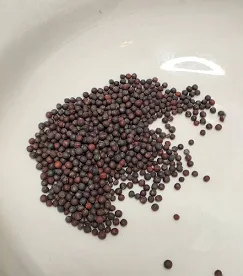
Starting rutabagas from seed is all about timing and giving these cool-season roots the long, crisp maturation window they crave. Direct-sow your seeds in the garden or raised beds about 90 to 100 days before your region’s first expected autumn frost so they can mature comfortably as temperatures drop. Rutabagas develop their best, sweetest flavor when sizing up in cooler weather.
Plant seeds about half an inch deep in loose, well-worked soil. Space them out or thin seedlings to about 4 to 6 inches apart to give the developing bulbs room to expand. Soil temperatures should be around 40°F for planting. Keep the bed consistently moist; seedlings typically appear after 10 days. As the weather cools, mulch lightly to lock in hydration and protect the roots until harvest.
Although rutabaga is technically a biennial plant, it is almost always grown as an annual in home vegetable gardens because the root is pulled up during harvest. Rutabagas are grown specifically for their enlarged, tender underground roots, which are harvested at the end of their first growing season (around the 90- to 100-day mark). However, if left in the ground through winter, the plant will survive, go dormant, and bolt in its second year—producing flowering stalks and seed pods to complete its natural life cycle.
Harvesting Rutabagas
Rutabagas are typically ready to harvest around 90 to 110 days after planting. When ready, the top of the root will show a deep purple crown with green leaves, while the bottom half remaining in the soil stays yellowish. A mature rutabaga reaches about 3 to 5 inches in diameter with a thin taproot extending from the base. Enjoy them.