Echinacea: A Resilient Perennial for Zone 7b
Echinacea (Coneflower) is a perennial flower plant that grows well in Zone 7b right here in Brooklyn. It grows well in Zones 5 through 8, too.
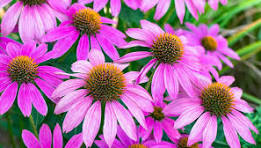
The flower is used mainly in tea combined with honey. It features beautiful purple and pink colors. A unique characteristic is that the petals often droop downward, away from the center cone, giving the flower a shuttlecock or umbrella-like shape.
It has a strong and very bitter taste, so it is not used in food. However, it is well known to strengthen the immune system and possesses excellent anti-inflammatory properties.
Growing Echinacea From Seed in the Garden
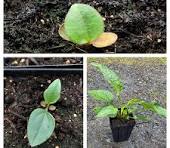
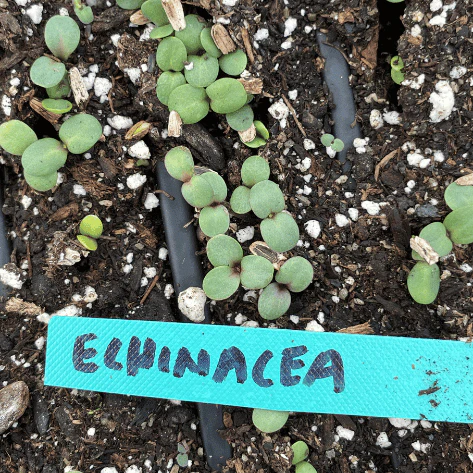
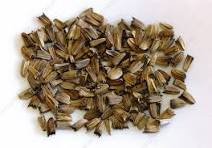
Echinacea plants grow best in the ground. The seeds can be planted directly into your garden soil. Press the seeds lightly into the soil, covering them with just a very thin layer of compost (about 1/8 inch), as they need a bit of light to germinate. They will germinate after about 3 weeks. Once the seeds germinate, they immediately start pushing down a taproot and growing their first sets of leaves.
The ideal soil temperature for Echinacea to grow needs to be between 65°F and 70°F (18°C to 21°C) with a pH of 6.0 to 7.0. Echinacea develops a very robust taproot that can grow up to 5 feet deep. When choosing a place to grow Echinacea, always choose a sunny place because they absolutely love the sun. Water the plants to keep them moist, but be careful: too much water will keep the soil waterlogged, and the roots will get a fungus and die. The plant will eventually grow to be 4 feet tall and 3 feet wide, taking a couple of years to be fully developed.
What to Expect From Your Coneflowers
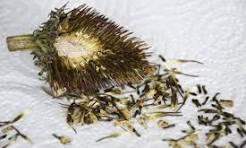
Your Echinacea plants will grow beautifully. Sunlight, good soil, a little water, and proper space will keep the plants growing until they produce flowers, which happens in their second year. During the first year, the plant focuses entirely on growing its root system. Once the root is settled, it will grow its leaves and flowers. It will live for a few years, and your plant patch will keep expanding naturally as the seeds spread every year.