How To Grow Borage
BORAGE (Borago officinalis) also known as starflower, is a fast-growing annual herb that typically takes 50 to 60 days (7 to 8 weeks) from sowing seed to reaching full maturity and bloom. It can reach up to two to three feet in height. It grows well in full sun and well-draining soil, it self-seeds prolifically, ensuring a reliable return to garden beds year after year. It grows well in zone 7.
Both the leaves and the blossoms are edible, imparting a crisp, refreshing flavor reminiscent of cucumber. In culinary applications, the tender young leaves are often cooked like spinach or infused in cold beverages, while the vivid blue flowers are popular as fresh garnishes in salads or frozen into ice cubes for cocktails.
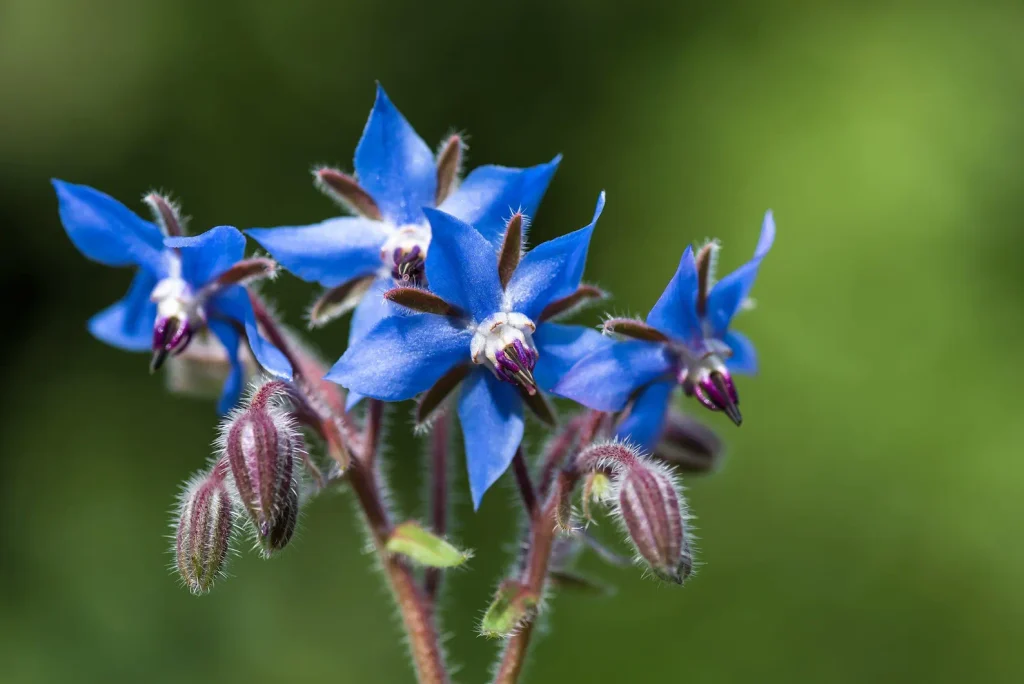
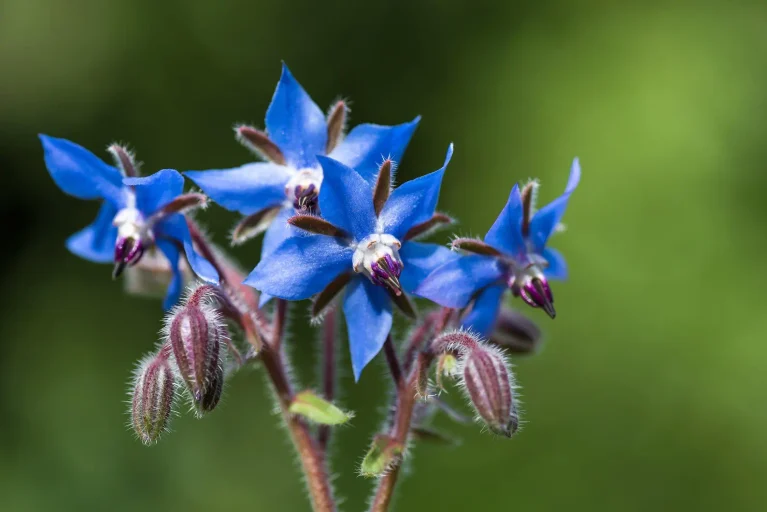
Borage (Borago officinalis), is beautiful and has diverse practical uses. It features gray-green, bristly stems and leaves alongside vivid, star-shaped blue blooms produce abundant nectar, that readily attract bees and other beneficial pollinators to the garden.
Borage serves as an companion plant—particularly when grown alongside tomatoes, squash, and strawberries—because it deters pests like hornworms and enhances soil condition.
Planting Borage From Seeds
Plant seeds directly outdoors in early spring, about 1 to 2 weeks before the last expected spring frost.
Choose a location that receives full sun (at least 6 hours of direct sunlight daily), though it will tolerate light shade.
Borage grows well in most soil types, including poor soil, but prefers well-draining soil with a pH between 6.0 and 7.0.
Planting Steps
Loosen the top 6 inches of soil and clear away any large weeds or debris.
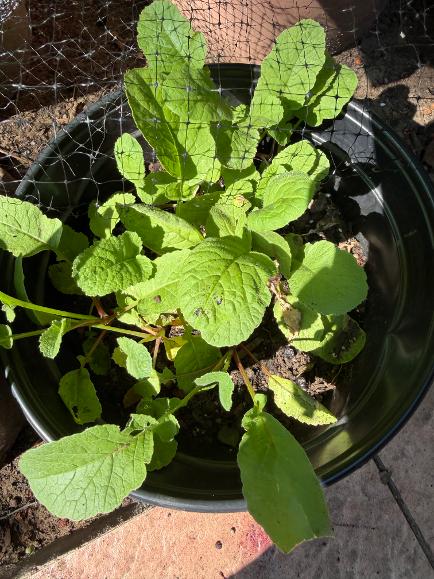
Sow seeds 1/2 inch deep. Darkness aids germination, so ensure they are fully covered with soil.Seeds typically germinate within 7 to 14 days when soil temperatures are around 60°F–70°F (15°C–21°C). Water gently after sowing to settle the soil without disturbing the seeds. Keep the soil consistently moist until germination. Once seedlings reach 2 to 3 inches in height with a few true leaves, thin them to 12 to 18 inches apart to allow enough space for mature growth. The plant grows rapidly, developing its characteristic bristly stems and rough leaves. You can begin harvesting small, tender young leaves during this stage for culinary use.
Culinary Uses
Fresh Borage Leaves: Young, tender leaves have a light, crisp cucumber flavor and are added fresh to salads, cold soups (like gazpacho), or lemonade.
Edible Borage Flowers: The vibrant blue, star-shaped flowers have a mild sweet-and-cucumber taste. They are commonly used as decorative garnishes for salads, desserts, summer cocktails (like a Pimm’s Cup), or frozen into ice cubes for drinks.
Cooked Greens: Older leaves can be cooked like spinach or added to soups, stews, and pasta fillings.
Medicinal & Health Uses
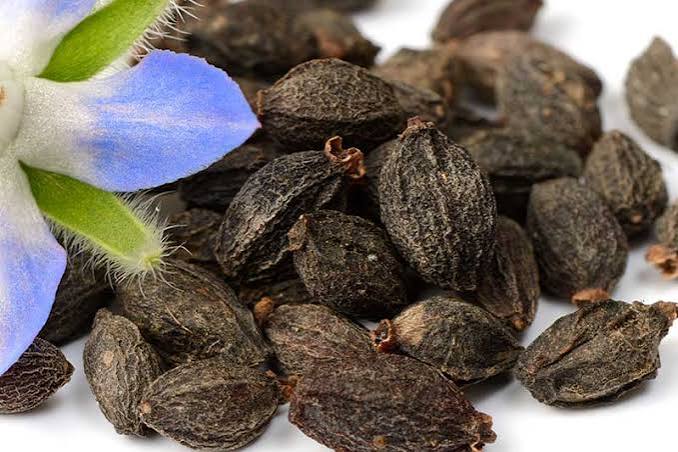
Borage Seed Oil: Extracted from the seeds, this oil is one of the richest natural sources of gamma-linolenic acid (GLA), an essential omega-6 fatty acid. It is frequently used in supplements and skincare products to support:
Skin Health: Borage Helps relieve symptoms of eczema, psoriasis, and general dry skin by improving the skin barrier.
Anti-Inflammatory Action: Borage helps to reduce inflammation associated with conditions like rheumatoid arthritis.
Dried Borage leaves and flowers are traditionally brewed into a soothing tea used to promote relaxation and support respiratory wellness.
Garden & Agricultural Benefits
Dynamic Accumulator: Borage has a deep taproot, it draws up trace minerals from deep in the subsoil into its leaves, making it an excellent addition to compost or used as a green mulch.